The Annual Cycle of a Honey Bee Colony
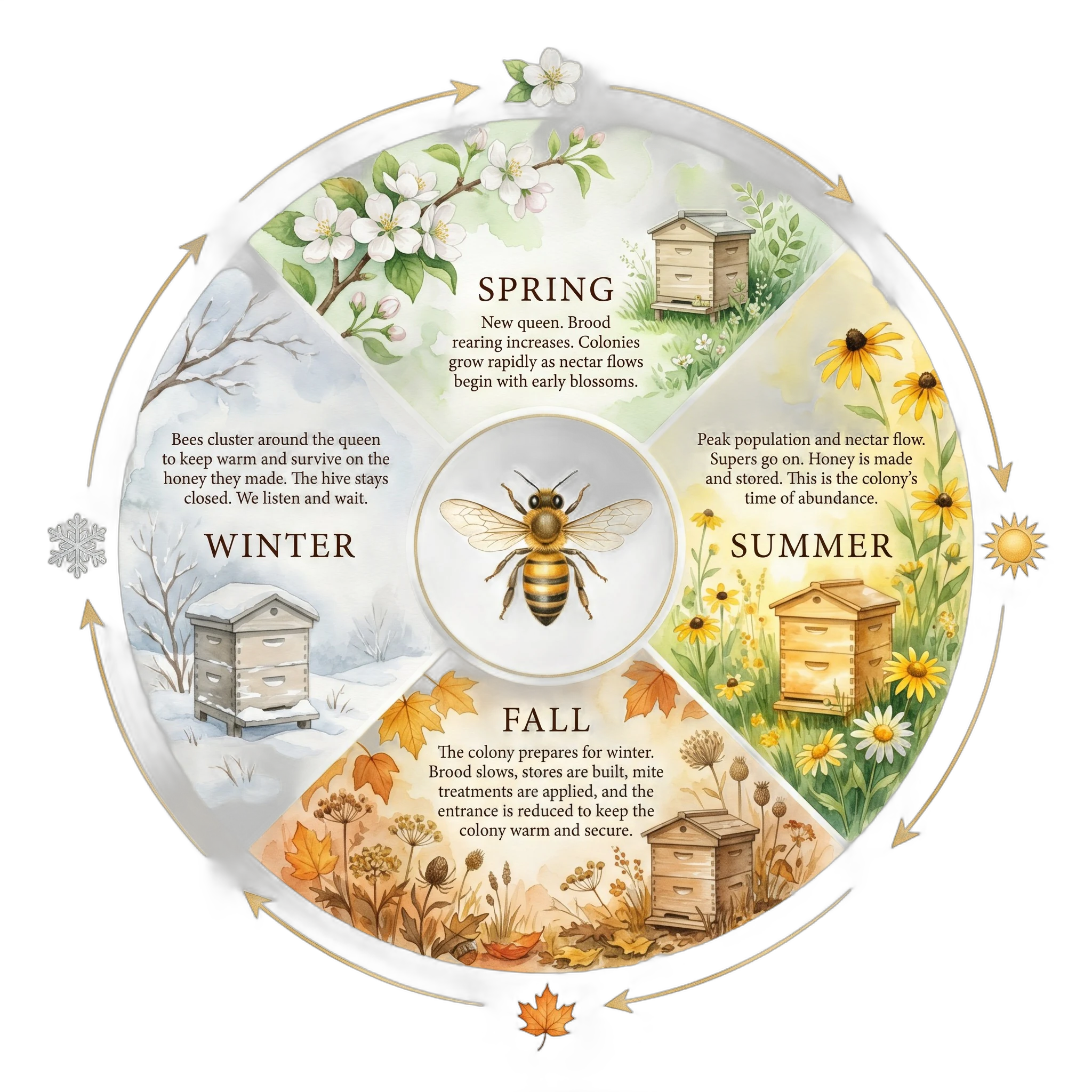
The colony's needs change with the seasons. Strong colonies, good food, and careful stewardship keep the cycle moving.

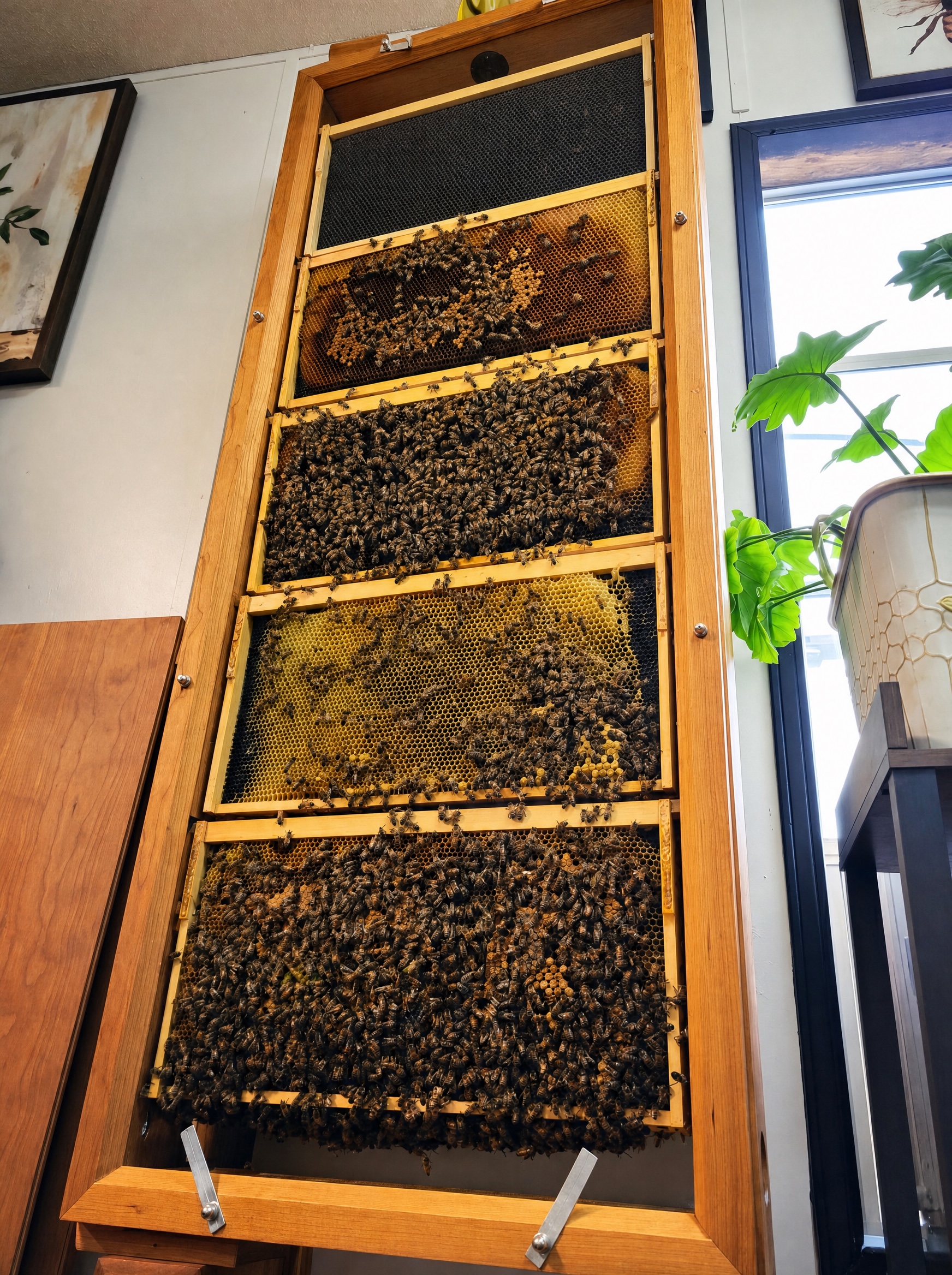
A live observation hive inside the market offers an up-close look at the movement and rhythm of a working colony. Watch the bees move across the comb, spot the queen if you can, and experience a side of beekeeping most people never see.
Beekeeping remains at the heart of Honeysmith — from locally raised queens to seasonal nucs and packages each spring. Some offerings are available for shipping, while others are reserved for local pickup when in season.
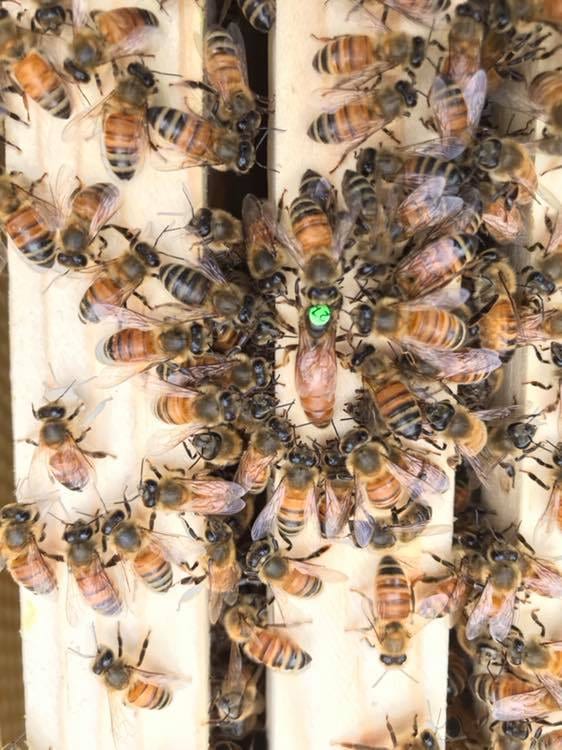
Mated queen · spring pickup or ship
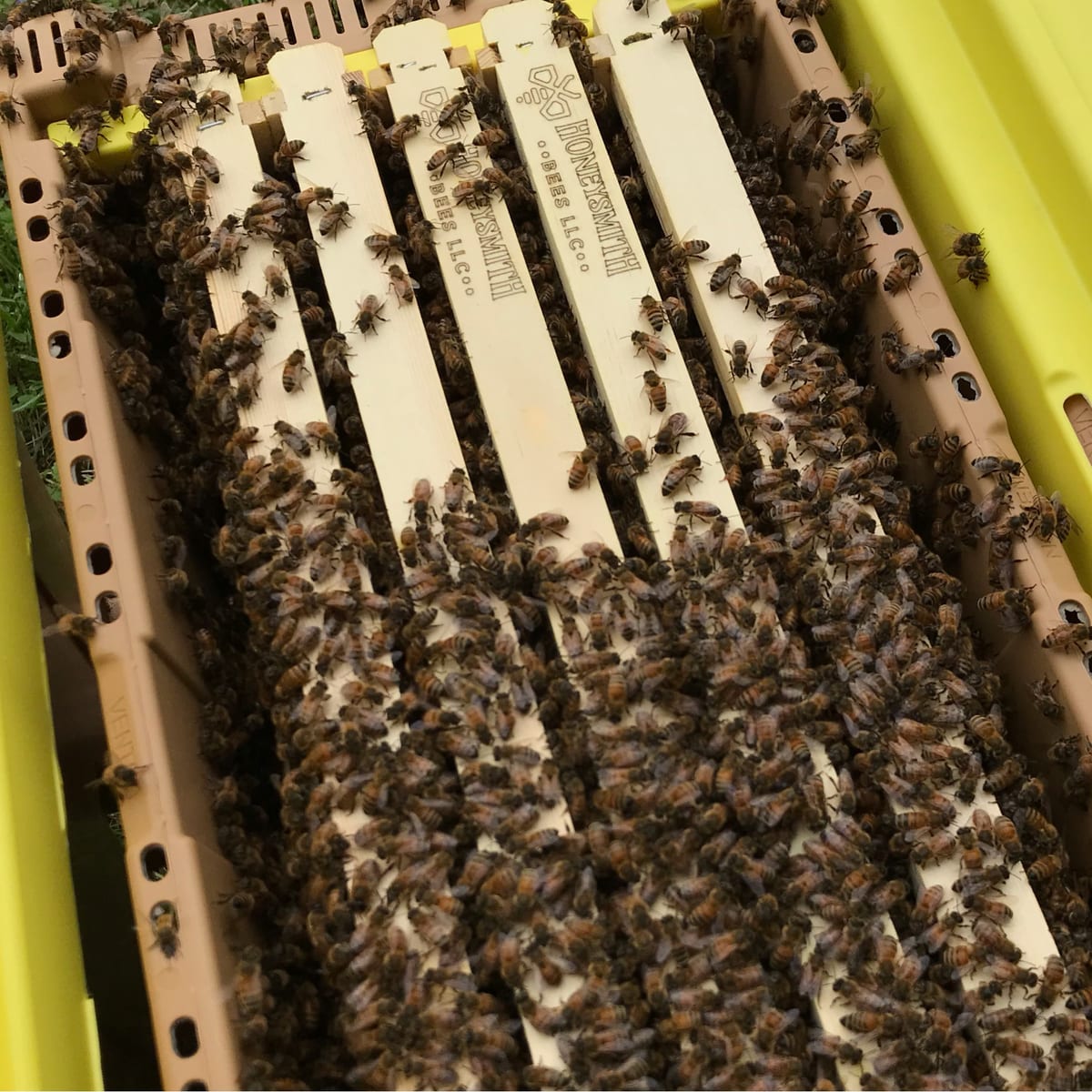
5-frame starter · pickup · sold out

3 lb + queen · spring pickup · sold out
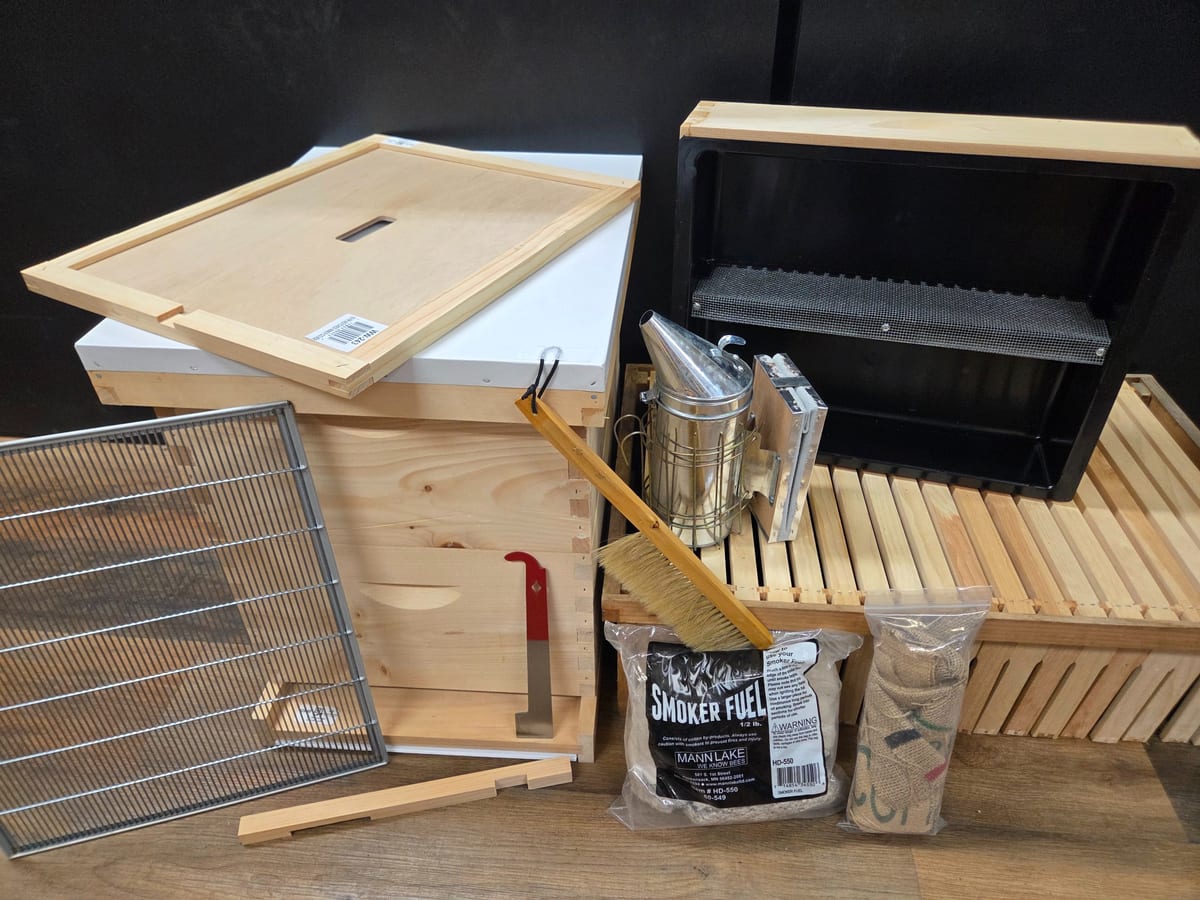
Fully assembled · pickup only
Each season brings a different rhythm to the apiary. Spring builds momentum with new bees and fresh nectar flows. Summer is peak honey season. Fall shifts toward preparing the colonies for winter, while the colder months are spent letting the bees rest and do what they naturally do best.
The colony's needs change with the seasons. Strong colonies, good food, and careful stewardship keep the cycle moving.
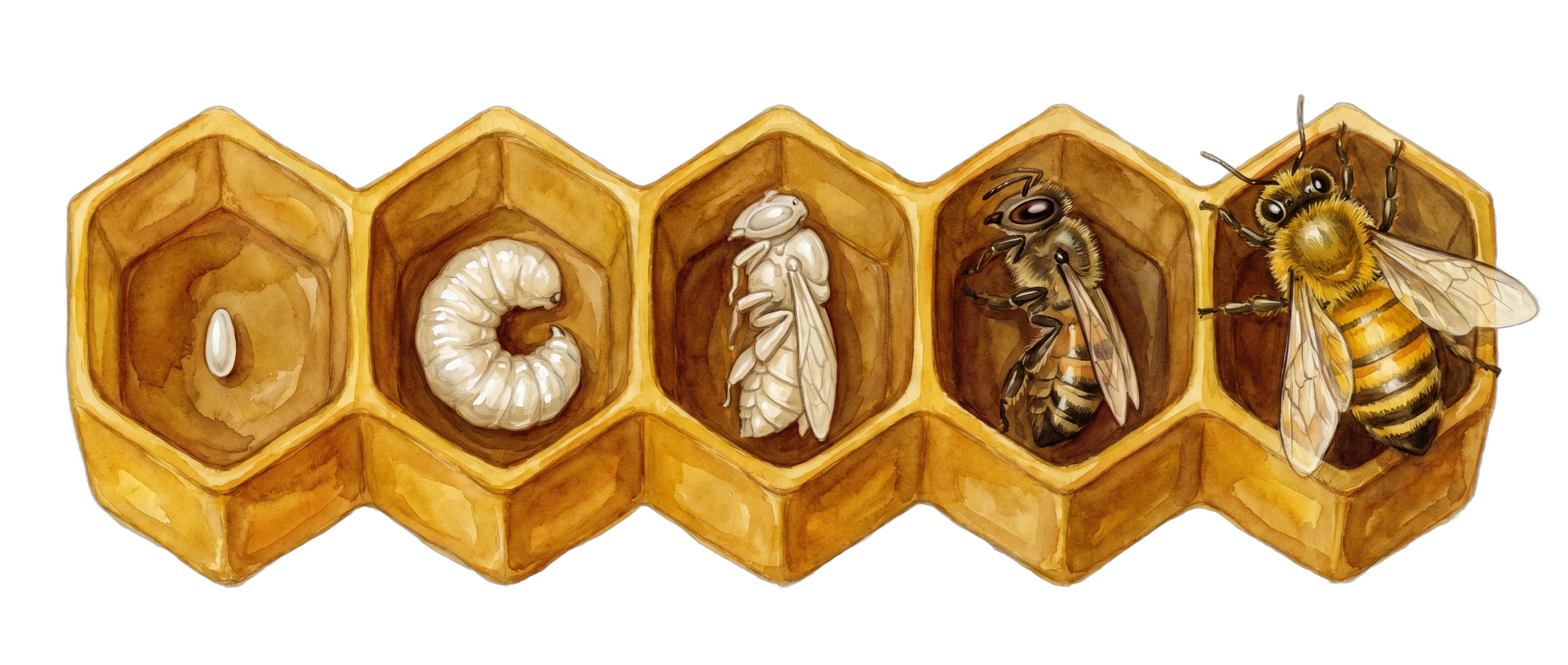
From egg to adult in about 21 days.
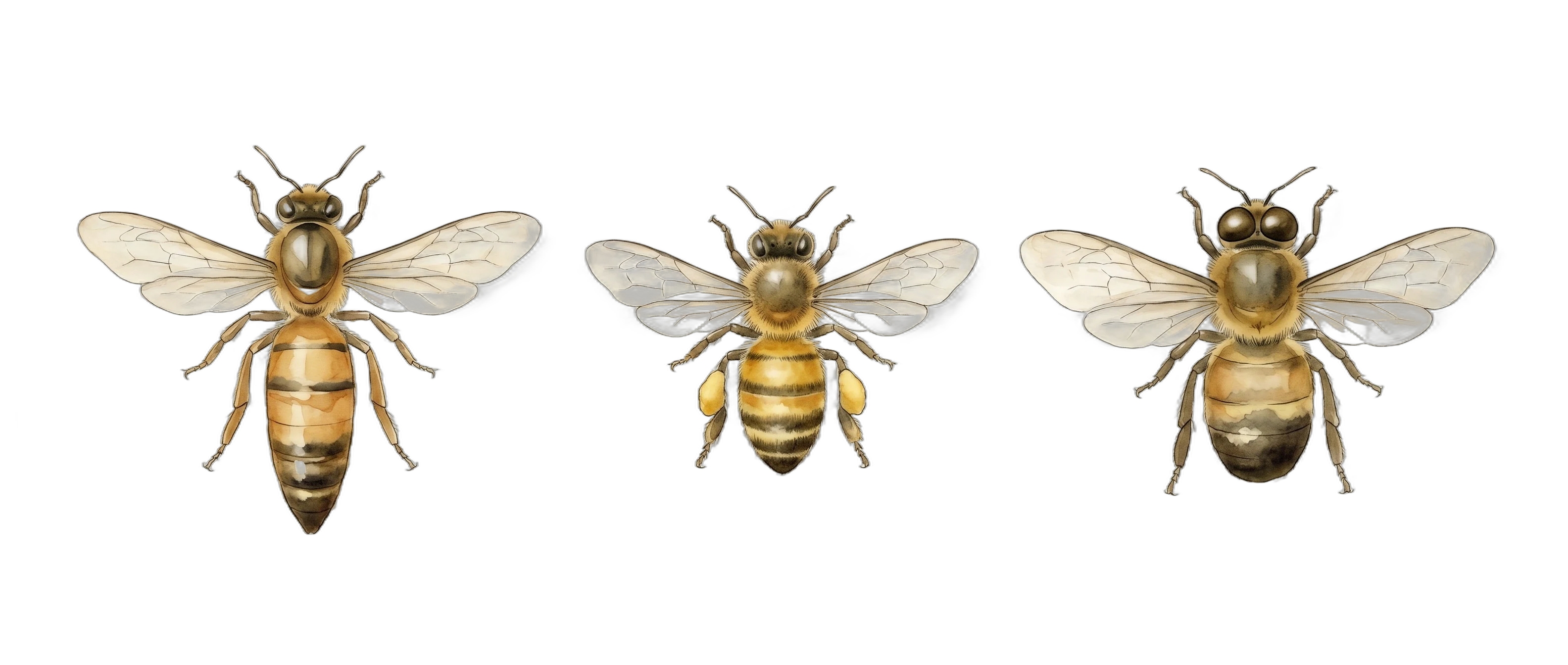
"When we work with the bees and not against them, everything thrives."
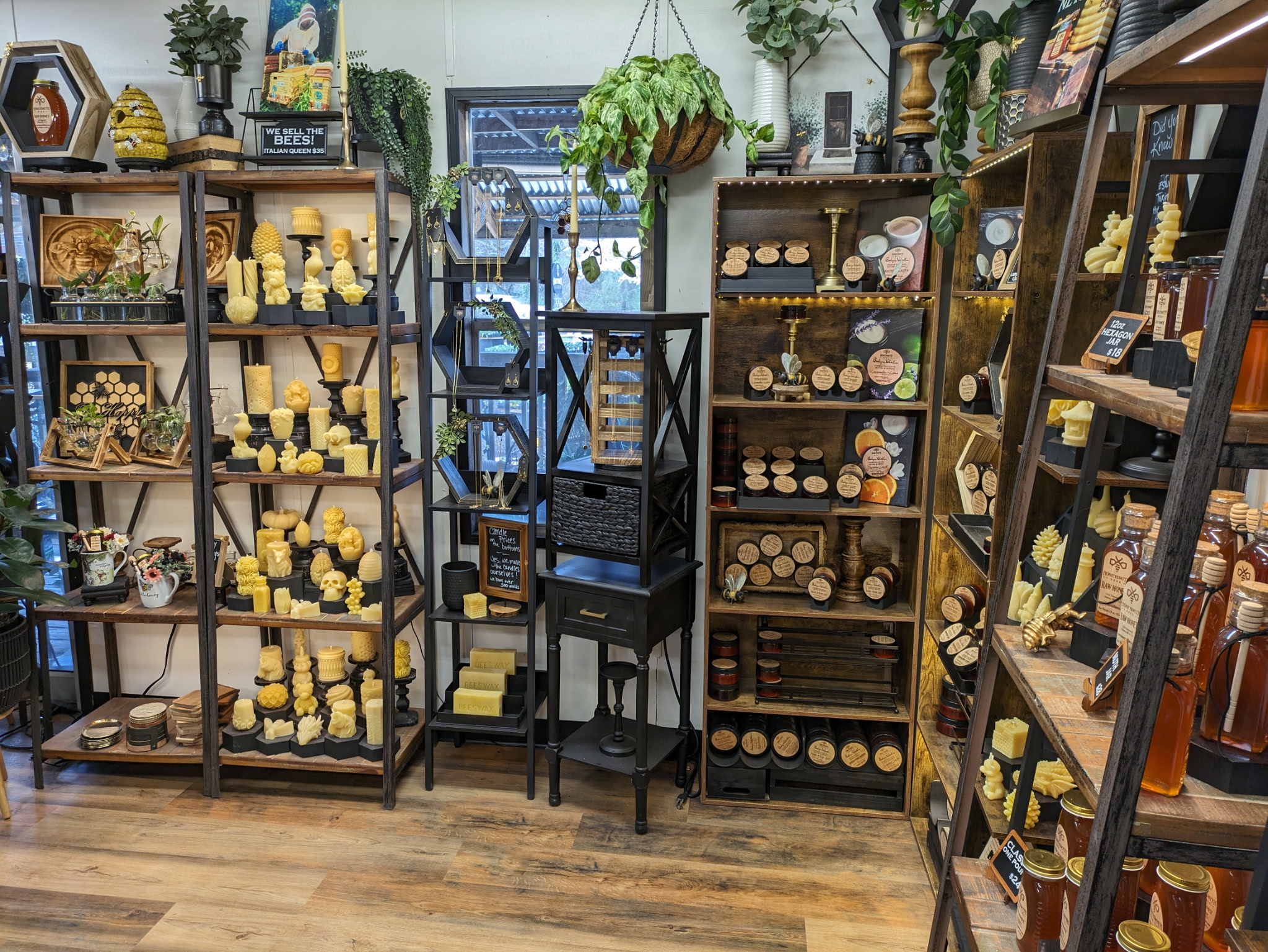
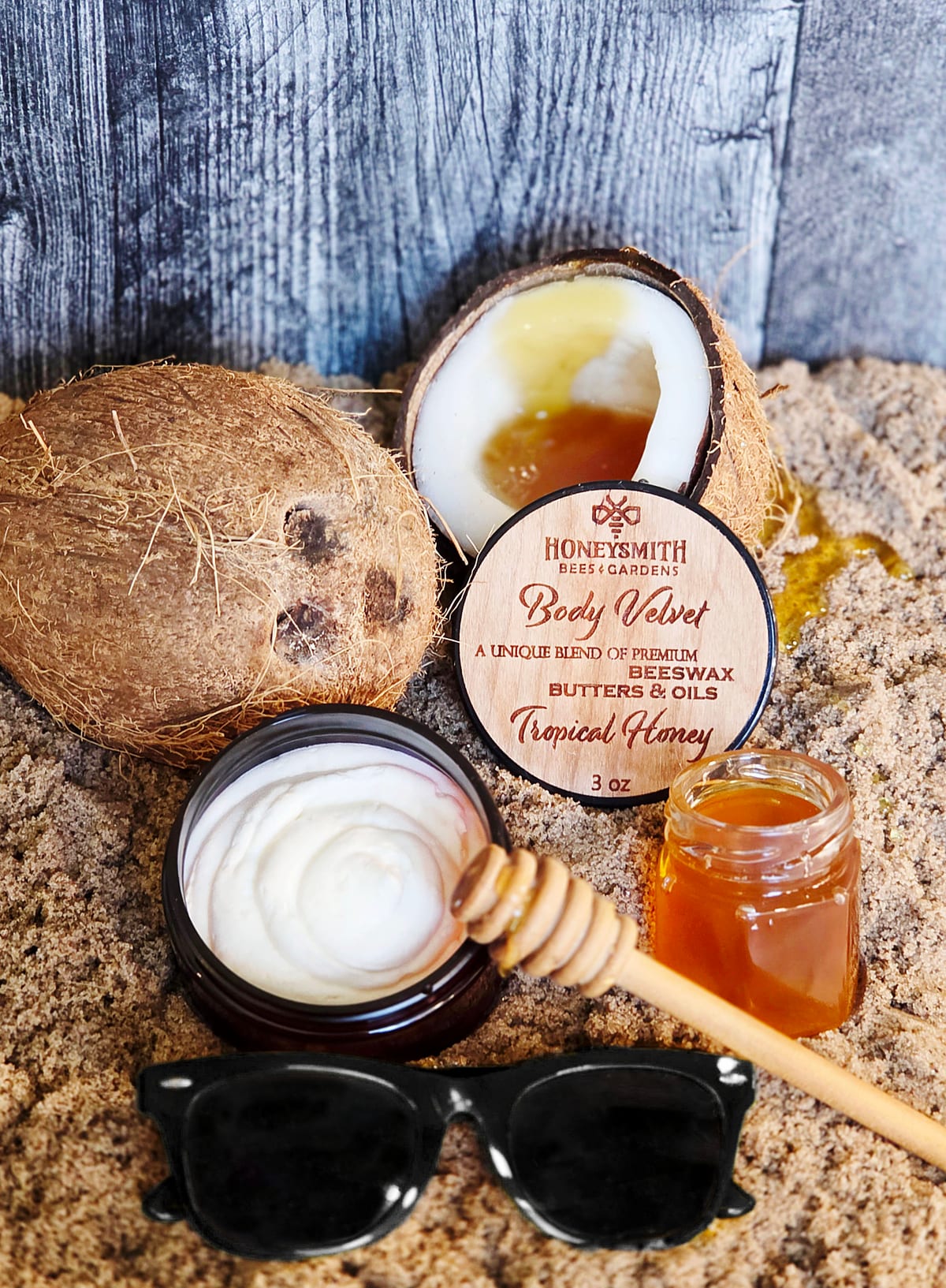
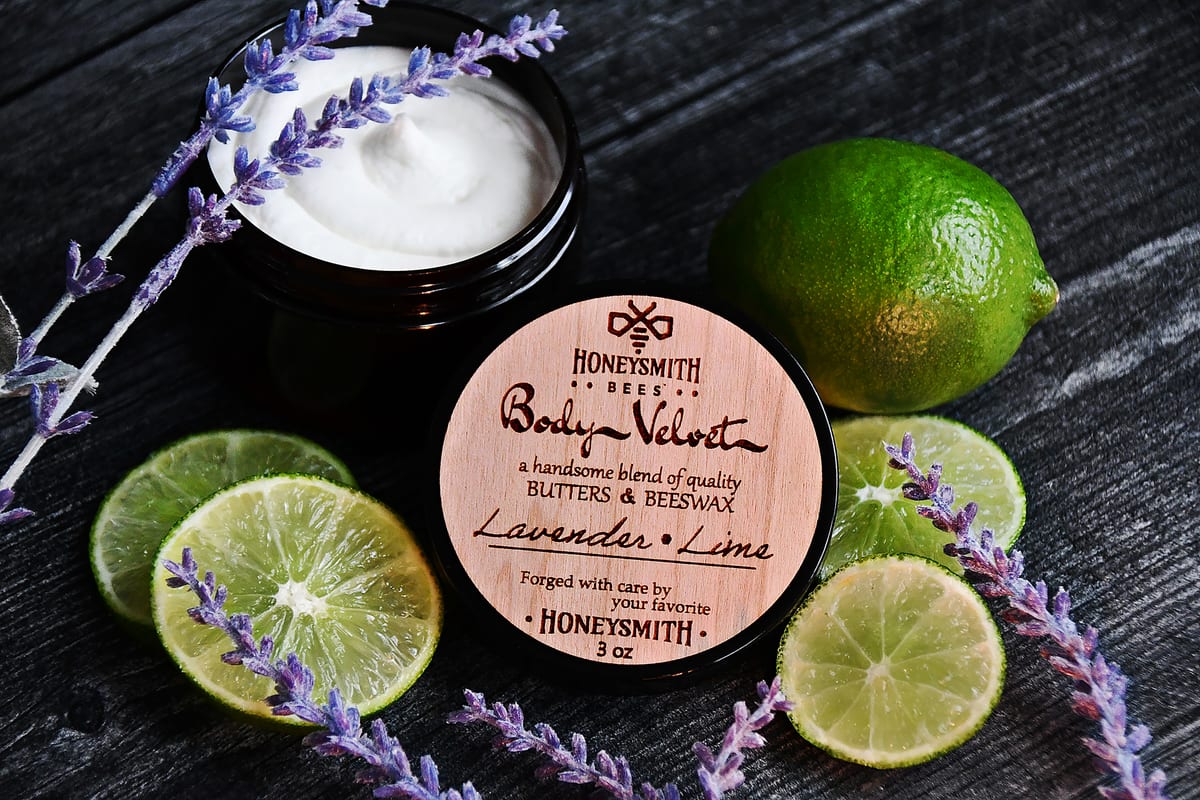
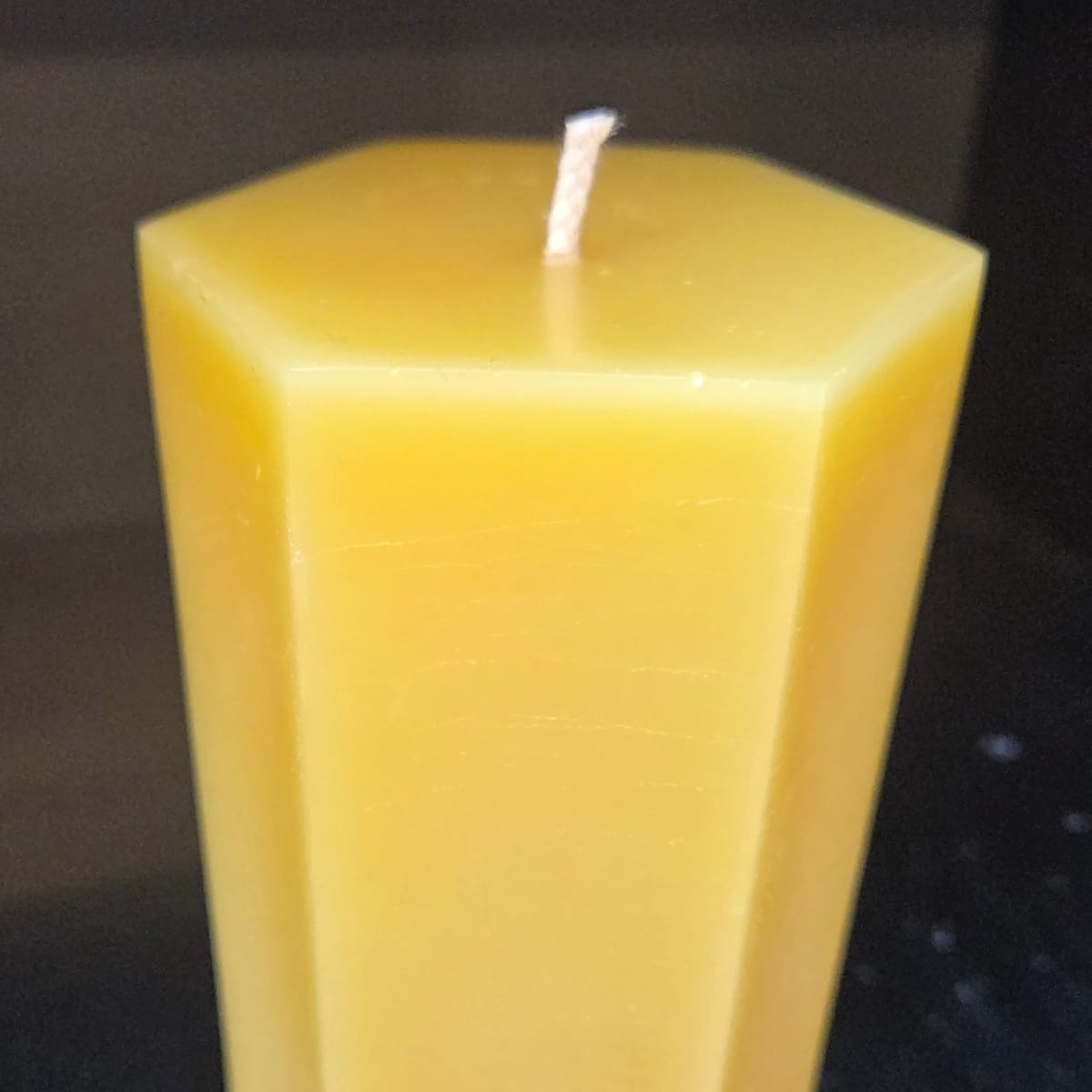
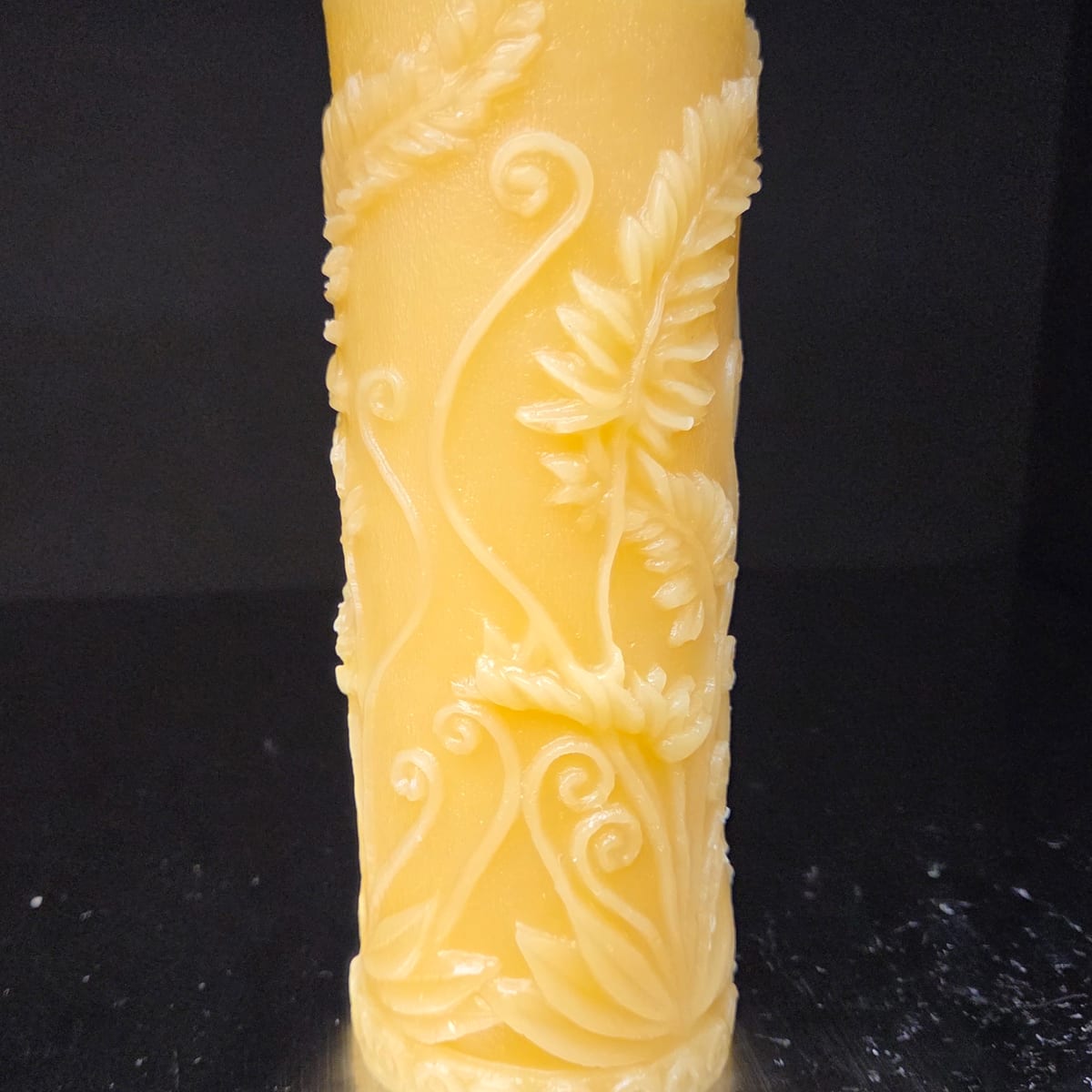
Honey, beeswax candles, and the Body Velvet collection all trace back to the same thing — the bees. The result is a growing collection of products that feel connected to the seasons, the apiaries, and the slower pace that defines Honeysmith.
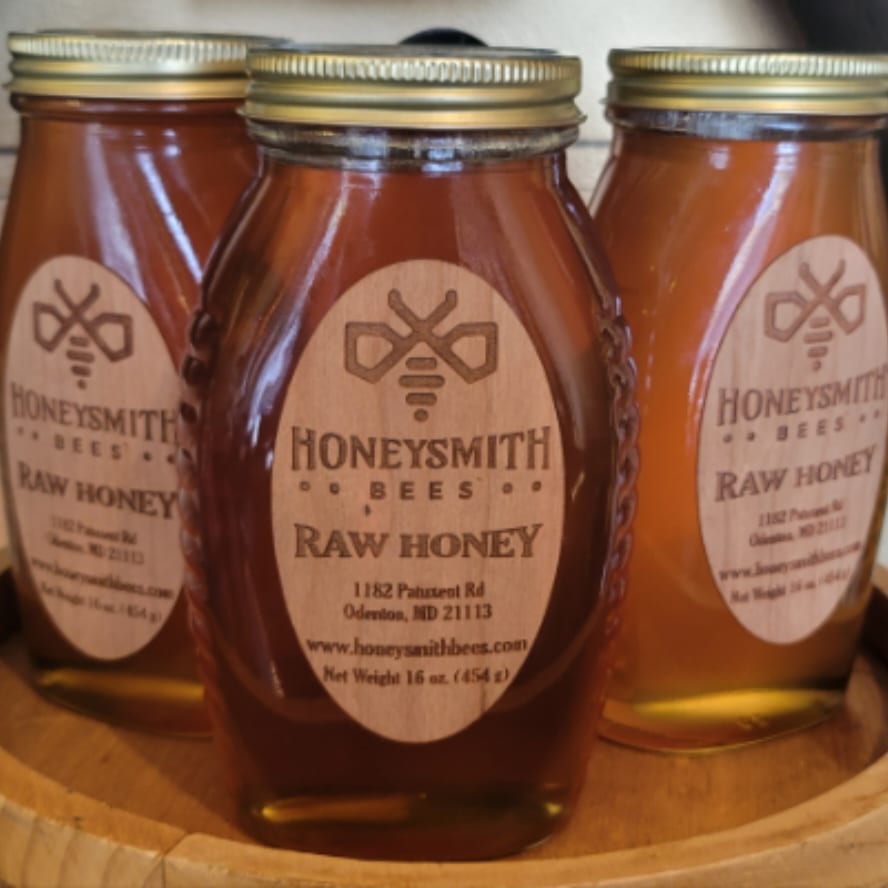
Wildflower · 1 lb · ships nationwide
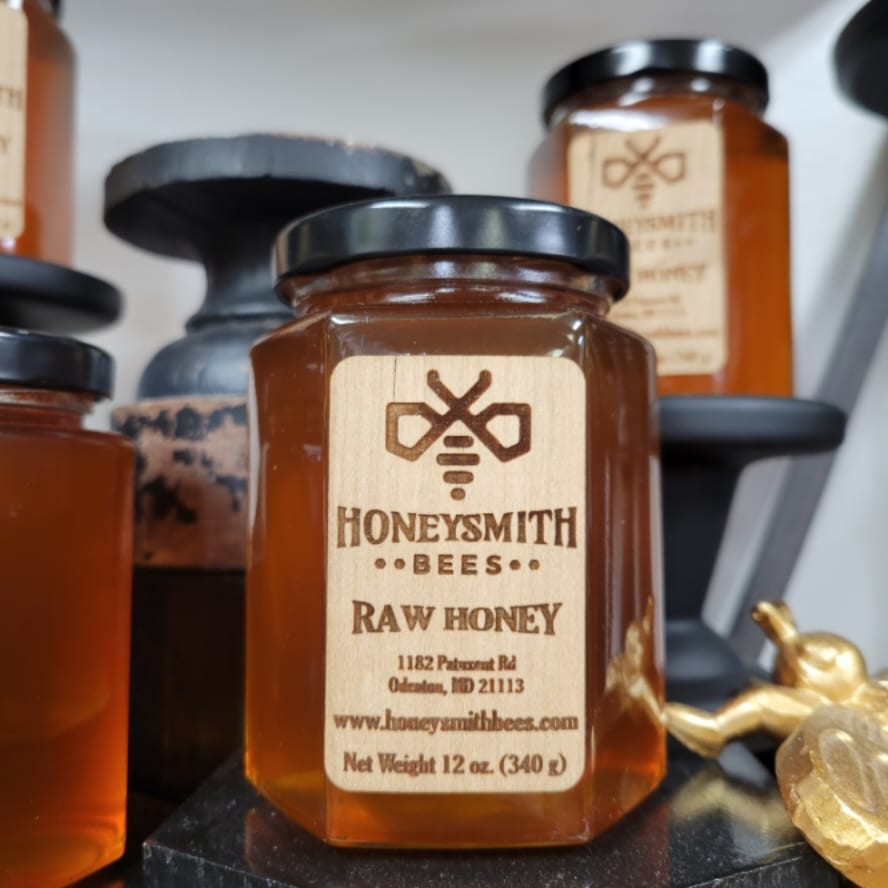
Wildflower · 12 oz · back soon
From the wax
Natural beeswax goes into two things: Body Velvets — quality butters and nourishing oils whipped together with beeswax into a rich moisturizer — and pure beeswax candles, hand-poured at the market.